When the stratum corneum is stripped by harsh anionic detergents or over-exfoliation from glycolic acid peel overdoses, the intercellular lipid bilayers collapse. Simply slapping petrolatum or pure hyaluronic acid on top fails to heal the barrier; cellular repair requires a precise molar ratio of physiological lipids.
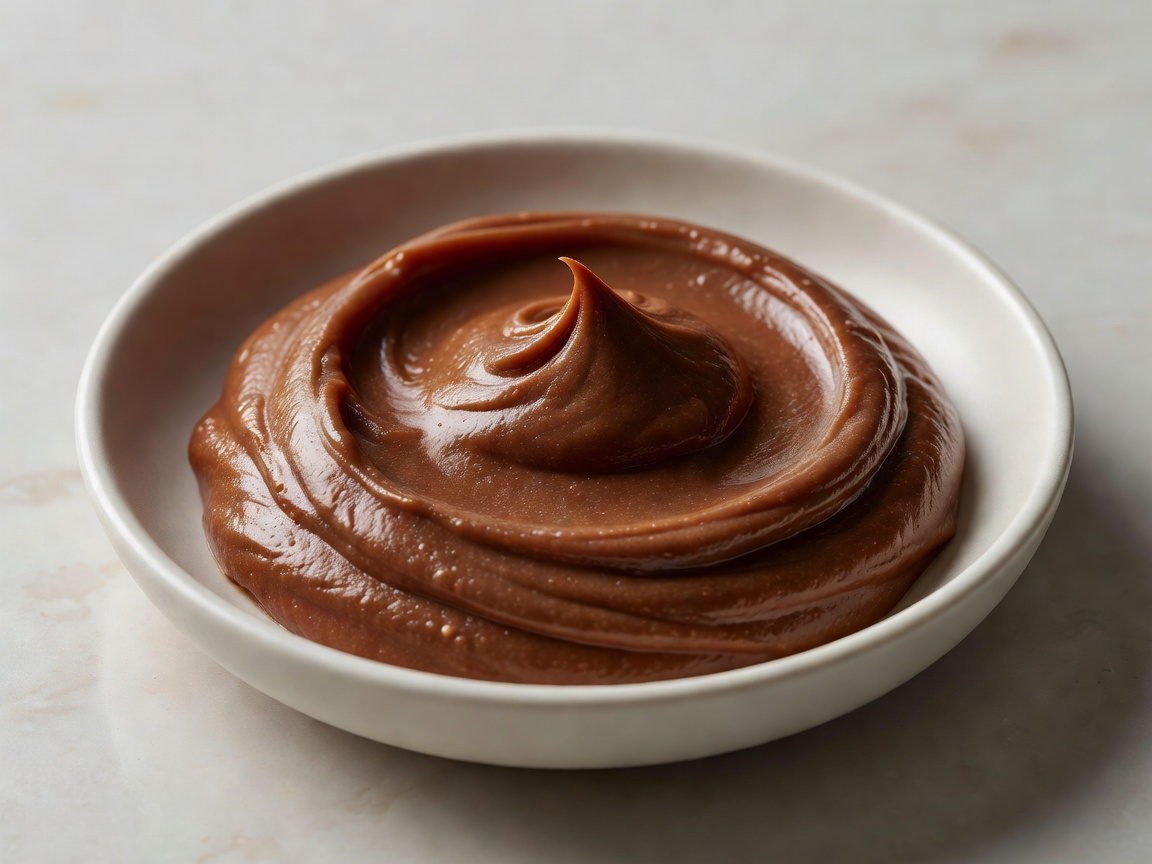
The Brick and Mortar Architecture
Dermatologist Dr. Peter Elias famously described the stratum corneum using the "brick and mortar" model: anucleated corneocytes represent the protein bricks, while the extracellular matrix of lamellar sheets forms the protective mortar.
In healthy dermal tissue, this lipid mortar is composed strictly of:
- 50% Ceramides (predominantly Ceramide NP, AP, and long-chain EOP).
- 25% Cholesterol (provides membrane fluidity and structural flexibility).
- 15% Free Fatty Acids (palmitic, stearic, and linoleic acid for acidity buffering).
- 10% Phytosterols & Squalene (prevent lipid peroxidation).
Why the 3:1:1:1 Equimolar Ratio Matters
Seminal studies conducted by the Department of Dermatology at UCSF revealed that applying ceramides alone actually delays barrier recovery. If the ratio is skewed—for example, if excess cholesterol or isolated fatty acids are delivered without their counterpart sphingolipids—the lamellar phases cannot form organized crystal structures.
Only when formulated in an equimolar ratio (3 parts ceramides, 1 part cholesterol, 1 part free fatty acids, 1 part squalene) does transepidermal water loss normalize within 4 to 8 hours of topical application.
Clinical Symptoms of a Compromised Barrier
Before undertaking aggressive cosmetic procedures or initiating potent retinoids, check for these warning signals:
- Stinging sensation upon applying mild tap water or plain squalane oil.
- Taut, crepey skin despite heavy shine ("dehydrated oily paradox").
- Sudden appearance of red follicular micro-papules that mimic fungal acne.
- Accelerated peeling and inability to retain daytime hydration past midday.